
How to Choose the Right Hydraulic Grapple for Forestry Work
A good forestry grapple is not just about grabbing a log. It is about **control, cycle time, durability, and ultimately, how much money your machine makes every hour.**
For logging contractors, firewood processors, land-clearing crews, and sawmill operations, the grapple is often working in some of the toughest conditions imaginable: heavy logs, uneven terrain, mud, cold weather, and long working hours. When the grapple is not up to the job, the problems add up fast — poor grip, slow handling, damaged components, hydraulic issues, and unnecessary downtime.
So, what actually makes a forestry grapple a good one?
1. Grip matters more than appearance.
A grapple needs to hold logs securely without constantly readjusting or dropping material. The tine design, closing force, cylinder performance, and contact area all play a role.
For mixed log sizes, a well-designed grapple should be able to handle both individual stems and larger bundles while maintaining stable control. In other words, it needs to grab the load — and keep it there.
2. Rotation is not a luxury.
A 360° hydraulic rotation system can make a big difference when loading trucks, sorting logs, stacking timber, or working in tight areas.
Better rotation means less machine repositioning and more time actually moving material. Over a full working day, those small savings in each cycle can add up to a serious productivity gain.
3. Heavy-duty does not simply mean “heavier.”
A grapple can be built like a tank and still be the wrong attachment for your excavator.
The key is the balance between **structural strength, attachment weight, hydraulic flow, machine capacity, and the actual application.** Oversizing the grapple can reduce lifting performance and increase unnecessary load on the machine. Undersizing it can lead to excessive wear and premature failure.
The right grapple is not the biggest one you can buy. It is the one properly matched to your machine and your work.
4. Don't overlook maintenance.
In forestry, downtime costs real money.
Grease points, bushings, pins, hydraulic cylinders, hoses, wear strips, and bearings should be easy to inspect and service. A few minutes of routine maintenance can be a lot cheaper than a day of unexpected downtime.
That is why serviceability should be considered when comparing grapples — not just the purchase price.
5. The cheapest grapple is rarely the cheapest solution.**
A lower purchase price may look attractive on paper. But if the grapple has weak steel, poor weld quality, inadequate hydraulic components, or hard-to-source replacement parts, the real cost shows up later.
For professional operators, the better question is not:
*"How much does the grapple cost?"*
It is:
"How much does this grapple cost me over its working life?"
A reliable forestry grapple should help you move more material, spend less time repositioning, reduce unnecessary downtime, and keep your excavator working where it belongs — **on the job.
In forestry, productivity is profit. And the right grapple is a small part of the machine that can make a big difference.
相关阅读
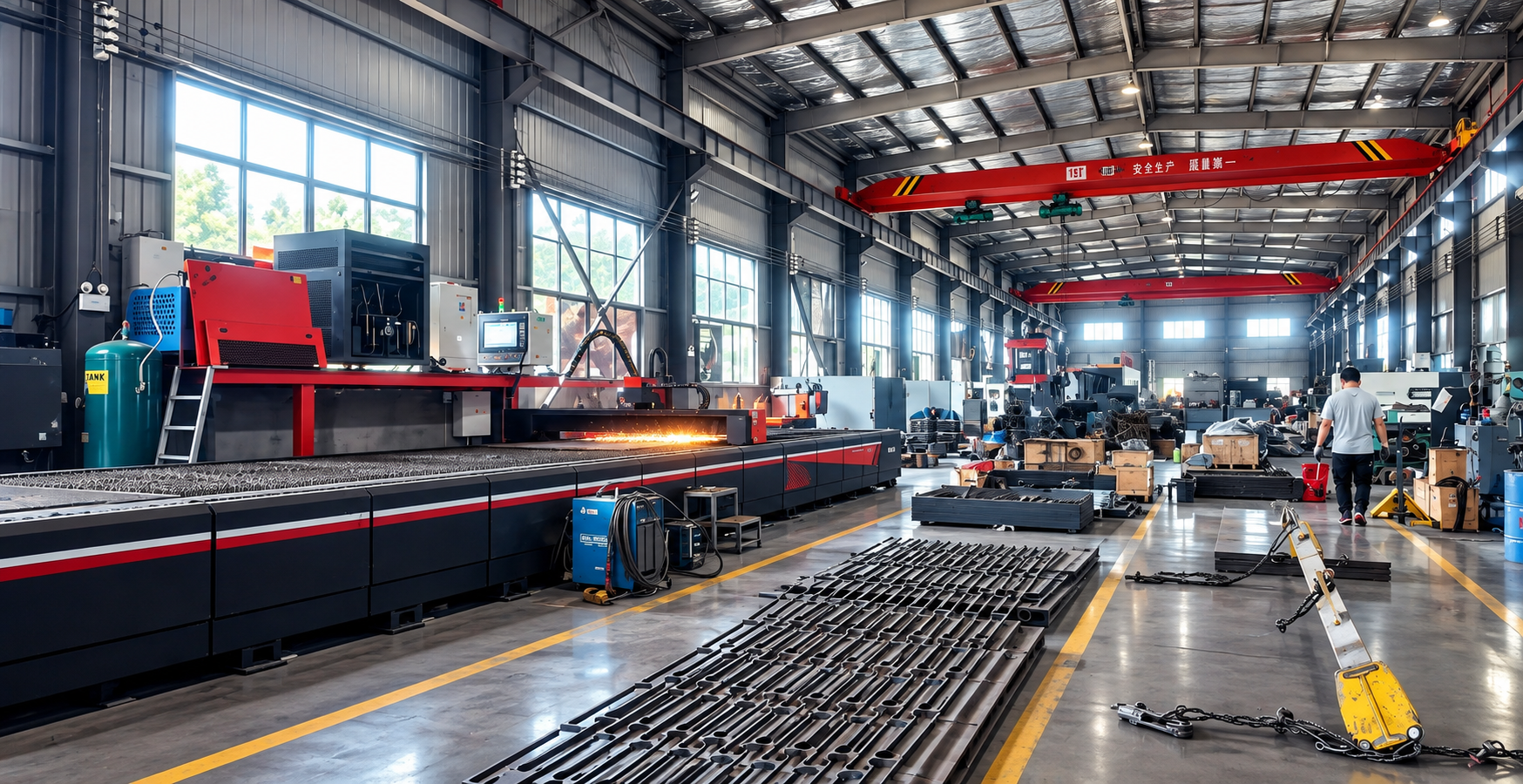
Improving Log Handling Efficiency with a 360° Hydraulic Grapple
A professional forestry contractor was looking for a more reliable way to handle logs with an excavator. The main challenges were unstable loads, limited control during positioning, and too much time spent repositioning the machine.
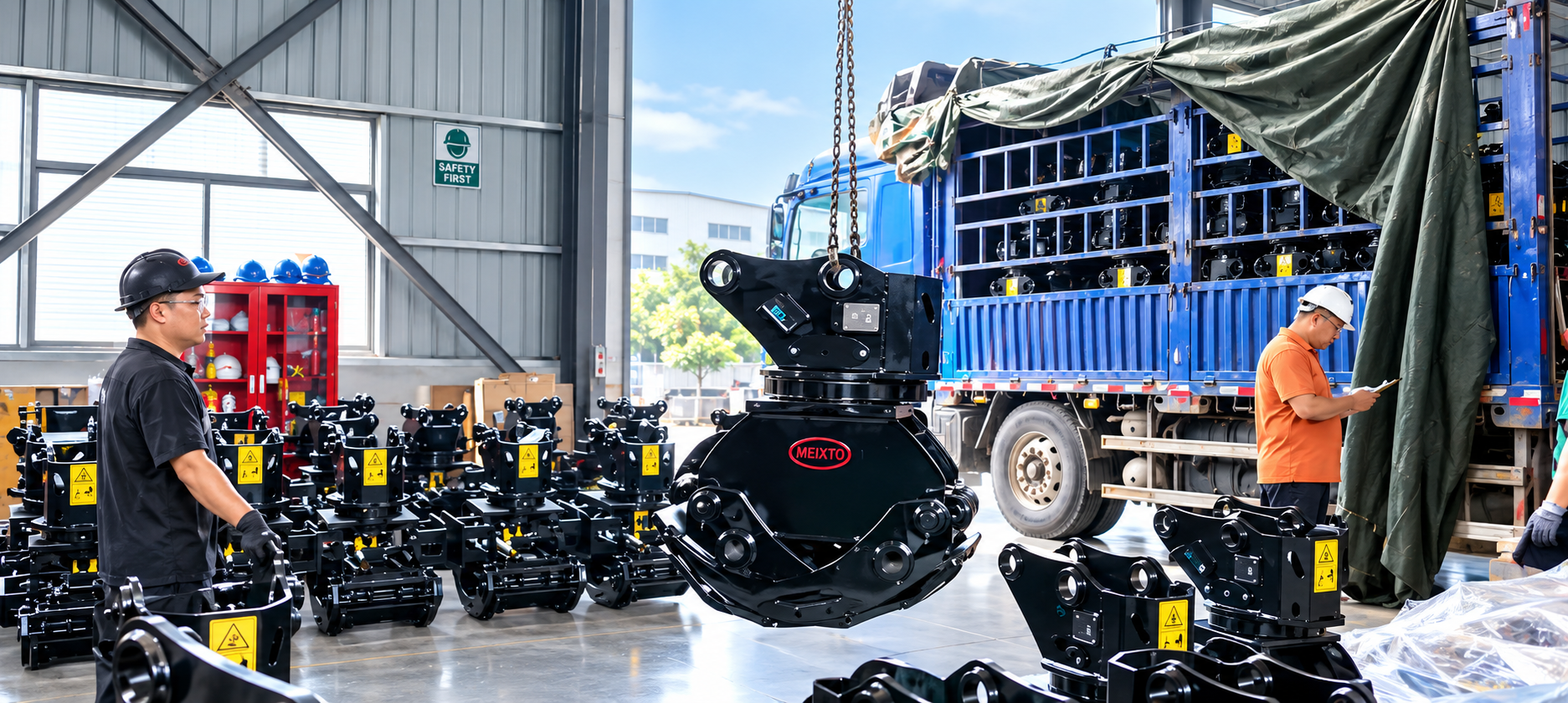
A Grapple That Sells Once Is Good. A Grapple That Brings Customers Back Is Better
For dealers, selling a forestry grapple is not just about making a sale. The real value comes from healthy margins, fewer warranty headaches, satisfied customers, and repeat business. The right grapple can help you build all four. For a dealer, the question is not simply, “Can I sell this grapple?”